Introduction
In minutes of situation, recognizing exactly how to perform mouth-to-mouth resuscitation can suggest the distinction between life and death. Whether you go to home, at the office, or out in the community, knowing just how to provide help can empower you and those around you. This write-up is committed to aiding you find regional mouth-to-mouth resuscitation classes that will certainly furnish you with the skills necessary to conserve lives. From understanding the fundamentals of mouth-to-mouth resuscitation to innovative resuscitation strategies, we'll check out every little thing you require to know.
Find Regional mouth-to-mouth resuscitation Classes: Change Yourself right into a Lifesaver
Finding neighborhood mouth-to-mouth resuscitation courses is less complicated than ever. With various companies providing training sessions, both in-person and on the internet, there's no excuse not to be prepared. You might be questioning: Where do I start?
Why Find out CPR?
Learning CPR isn't nearly getting an ability; it has to do with preparing when it counts. In cardiac emergency situations, every second matters.
- Quick Response: The quicker a person receives mouth-to-mouth resuscitation, the better their chance of survival. Empowerment: Understanding you can make a distinction imparts confidence. Community Impact: You contribute to producing much safer environments.
The Function of AEDs in CPR
Automated External Defibrillators (AEDs) play an essential role in resuscitation initiatives.
How They Work: AEDs examine heart rhythms and provide shocks when needed. Accessibility: Numerous public spaces are currently outfitted with AEDs for instant use. Combining Strategies: Using an AED in addition to CPR can substantially raise survival rates.Understanding Incorrect Compression Depth
One typical blunder during CPR is inaccurate compression depth.
- Adult vs. Kid vs. Infant: The depth differs based upon age: Adults: A minimum of 2 inches Children: About 2 inches Infants: Concerning 1.5 inches Importance of Depth: Inadequate depth can bring about ineffective circulation.
CPR Strategies for Various Situations
How to Do CPR
Here's a step-by-step guide on executing fundamental grown-up mouth-to-mouth resuscitation:
Ensure the scene is safe. Check for responsiveness. Call for assistance or have a person call emergency situation services. Begin breast compressions at a rate of 100-120 per minute. After every 30 compressions, give two rescue breaths.Tips for Effective Chest Compressions
- Keep your arms straight. Use your body weight for force. Compress tough and fast.
Infant mouth-to-mouth resuscitation Technique
When it pertains to infants, strategies vary considerably:
Use two fingers for compressions. The depth need to be about 1.5 inches. Deliver rescue breaths by sealing your mouth over their mouth and nose. https://penzu.com/p/6473a2e200fbfdf9Combination Training Options
CPR and First Aid Combination Courses
Combining mouth-to-mouth resuscitation training with emergency treatment courses boosts your preparedness for emergencies.
- Comprehensive Training: Understand different clinical emergencies along with resuscitation techniques. Certification Advantages: Lots of companies use double accreditation upon completion.
Age-Specific Guidelines
Age-Specific mouth-to-mouth resuscitation Standards Australia
Different age groups call for tailored approaches:
|Age|Compression Deepness|Proportion|
|-----------|------------------|-------|
|Adult|A minimum of 2 CPR Courses Sydney inches|30:2|
|Kid|About 2 inches|30:2|
|Infant|About 1.5 inches|30:2|
Special Situations in Resuscitation
CPR for Sinking Victims
Drowning targets have one-of-a-kind needs:
Prioritize rescue breaths due to the nature of asphyxiation. Perform compressions if there's no heartbeat after rescue breaths are administered.Sports-related Cardiac Arrest
Athletes might deal with unexpected heart attack during activities.
Immediate activity is crucial; initiate mouth-to-mouth resuscitation without delay. Utilize readily available AEDs promptly if accessible.Workplace Emergency Plans
Having workplace emergency situation strategies can conserve lives:
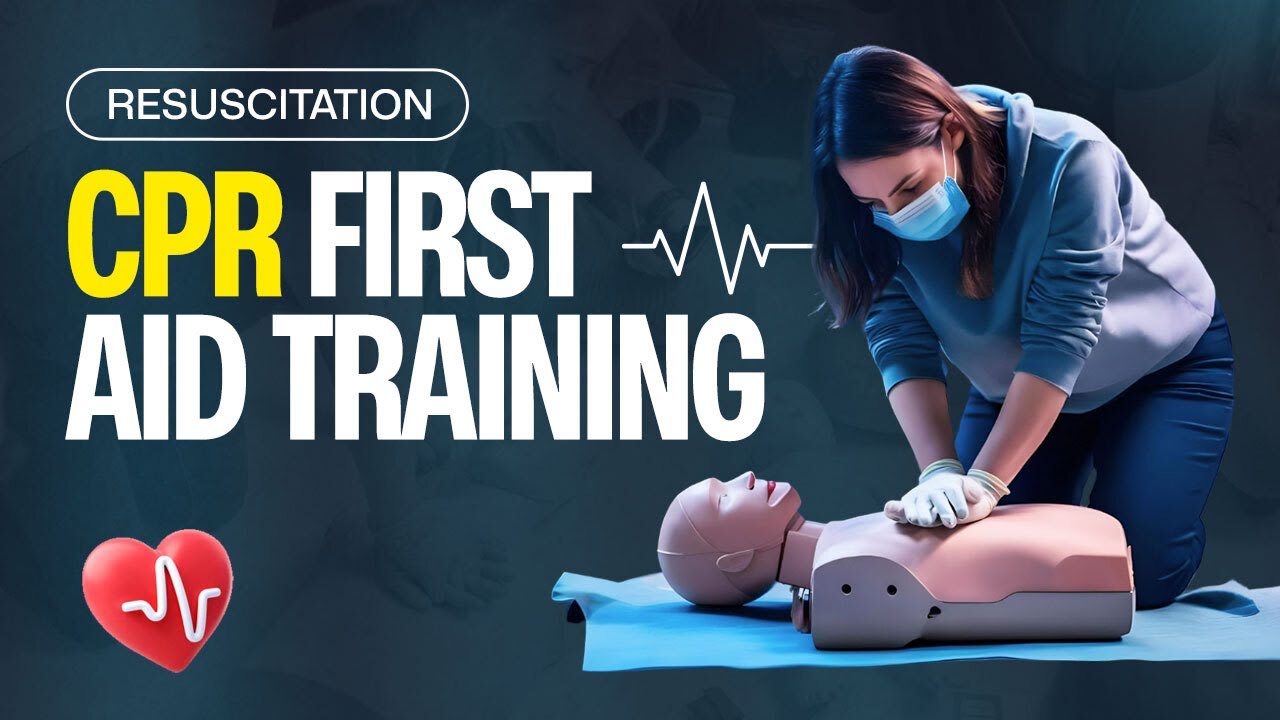
- Train employees routinely on standard emergency treatment and CPR skills. Conduct drills that replicate real-life circumstances involving heart attack or injuries calling for prompt attention.
The Myths Bordering CPR
It's necessary to unmask misconceptions bordering this lifesaving method:
Myth # 1: "CPR Always Restarts Heart"
While lots of believe that chest compressions will always reboot the heart, this isn't true-- it's indicated to preserve blood circulation up until professional help arrives.
FAQs
Q1: What is the validity period of a mouth-to-mouth resuscitation certificate?
A1: Usually, many certifications need renewal every two years; nevertheless, this may vary by company and locale.
Q2: Can I take on the internet mouth-to-mouth resuscitation certification?
A2: Yes! Many certified companies provide on-line qualification which includes video demonstrations and quizzes.
Q3: Exist specific standards for health care providers?
A3: Absolutely! Doctor certifications frequently include sophisticated strategies constant with present wellness standards.

Q4: Exactly how do I find local classes?
A4: Explore companies like the Red Cross or local health and wellness departments for timetables near you!
Q5: What equipment do I need for effective training?
A5: Fundamental training typically calls for mannequins for practice; some training courses may likewise give AED simulators.
Q6: Exist sources especially customized for Australian audiences?
A6: Yes! Different Australian wellness bodies provide local standards and training alternatives tailored to regional needs.
Conclusion
Transforming on your own into a lifesaver begins with seeking out neighborhood courses where you can learn vital skills like mouth-to-mouth resuscitation and emergency treatment methods customized specifically for different scenarios-- whether resolving sports-related heart attack or utilizing AEDs successfully along with conventional approaches like upper body compressions and rescue breaths.
By taking part in these programs, not just do you outfit on your own with understanding that could potentially conserve lives yet also become an invaluable resource within your neighborhood-- a person who stands prepared in times of dilemma! So why wait? Locate regional CPR classes today and accept the power of being prepared!
This detailed overview has covered different aspects associated with locating regional mouth-to-mouth resuscitation classes while guaranteeing you're outfitted with sensible understanding that reinforces your ability as a lifesaver!
First Aid Pro is one of Sydney’s leading providers of accredited CPR and first aid courses. Established in 2012, our nationally registered training organisation (RTO) has equipped over 2.6 million Australians with essential life-saving skills through our experienced team of over 110 expert trainers. Conveniently located in the heart of Sydney at Chambers Arcade Level 15, Suite 1501/370 Pitt Street, Sydney NSW 2000, we offer top-quality, nationally accredited CPR and first aid training sessions tailored to your needs—whether for workplace requirements, career advancement, or personal safety. From childcare-specific first aid to advanced first aid and resuscitation, we’ve got you covered! Secure your Sydney first aid course or CPR training with us and build the confidence to handle emergencies with a trusted Sydney first aid provider. Take the first step towards becoming a skilled and capable first aider with First Aid Pro today! Call today on 08 7120 2570.